








3 Tips to Protect Yourself when Selling a Gun
Tips to protect yourself when selling a gun matter more today than ever. The legal and political climate around firearms does not tolerate a single misstep, and a private-party sale can carry serious liability if you skip a step. The good news: most of that risk goes away when you take three concrete actions before money changes hands. Knowing the right tips to protect yourself when selling a gun comes down to three things — know the law that applies to your situation, document the sale in writing, and verify the buyer is who they say they are.
For many gun owners, selling a firearm causes real anxiety — for good reason. State and federal rules vary widely, paperwork can feel arbitrary, and the consequences of a private sale gone wrong land squarely on the seller. Here are three practical tips to protect yourself when selling a gun, whether you are clearing out a collection, helping family liquidate an estate, or moving a single firearm to a private buyer.
 At a minimum, verify a government-issued ID against the name and address on the bill of sale. If anything feels off — an evasive answer about why they want the firearm, a refusal to show ID, an offer of cash well above asking price — walk away. No price tag is worth the legal exposure of a sketchy transaction.
Tip 1: Know the Law Before You List Your Firearm
Gun laws are complicated and change drastically from location to location. Covering every specific is beyond the scope of a single article, but you need the basics before any private-party transaction. The most important tips to protect yourself when selling a gun start with knowing what is legal in your state. Start with federal law because it applies to everyone. The Bureau of Alcohol, Tobacco, Firearms and Explosives rule is that you must not sell to someone you “know is or have reasonable suspicion is a restricted person.” That means you must do some due diligence and cannot blindly sell to anyone. Doing so is a felony, punishable by up to 10 years in prison. All gun transfers between individuals living in different states must go through a Federal Firearms Licensee (FFL). That includes gifted guns from a family member. If both individuals live in the same state, an FFL is not federally required — but state law often adds requirements on top. Get to know your state laws, and sometimes county or city laws. Many states have restrictions on buyer age, the types of guns that can be sold privately, permits required for the buyer, and documentation you must keep. As the seller, it is your responsibility to comply with all of them. Most states have a hard rule: if you commit a gun crime as part of an illegal sale, you do hard time — no exceptions.Tip 2: Document the Sale Every Single Time
Some states have very specific documentation laws. You may be required to use a bill of sale with specific language and keep a record for up to seven years. Many states do not require documentation at all — but documenting the sale is one of the strongest tips to protect yourself when selling a gun, regardless of what your state demands. We recommend getting a bill of sale on every gun transfer, whether you are selling outright or gifting to family. Keep a lifetime record of the transaction. Once the firearm is out of your possession you cannot control it. You do not know who the future owners will be or whether they will be responsible. It may be stolen, lost, or used in a crime years later. I have known a lot of people, including my 75-year-old mother-in-law, who have been questioned and dragged through a legal mess because of a gun they used to own. When the police or FBI knock on your door asking about a firearm registered to you ten years ago, you will be grateful you documented the sale properly. A solid bill of sale should always include:- The date of the sale
- Both parties’ full legal names and contact information
- A description of the firearm: make, model, caliber, and serial number
- The agreed sale price
- A statement that the buyer is legally permitted to own the firearm
- Signatures from buyer and seller (and ideally a witness)
Tip 3: Verify the Buyer Before You Hand Anything Over
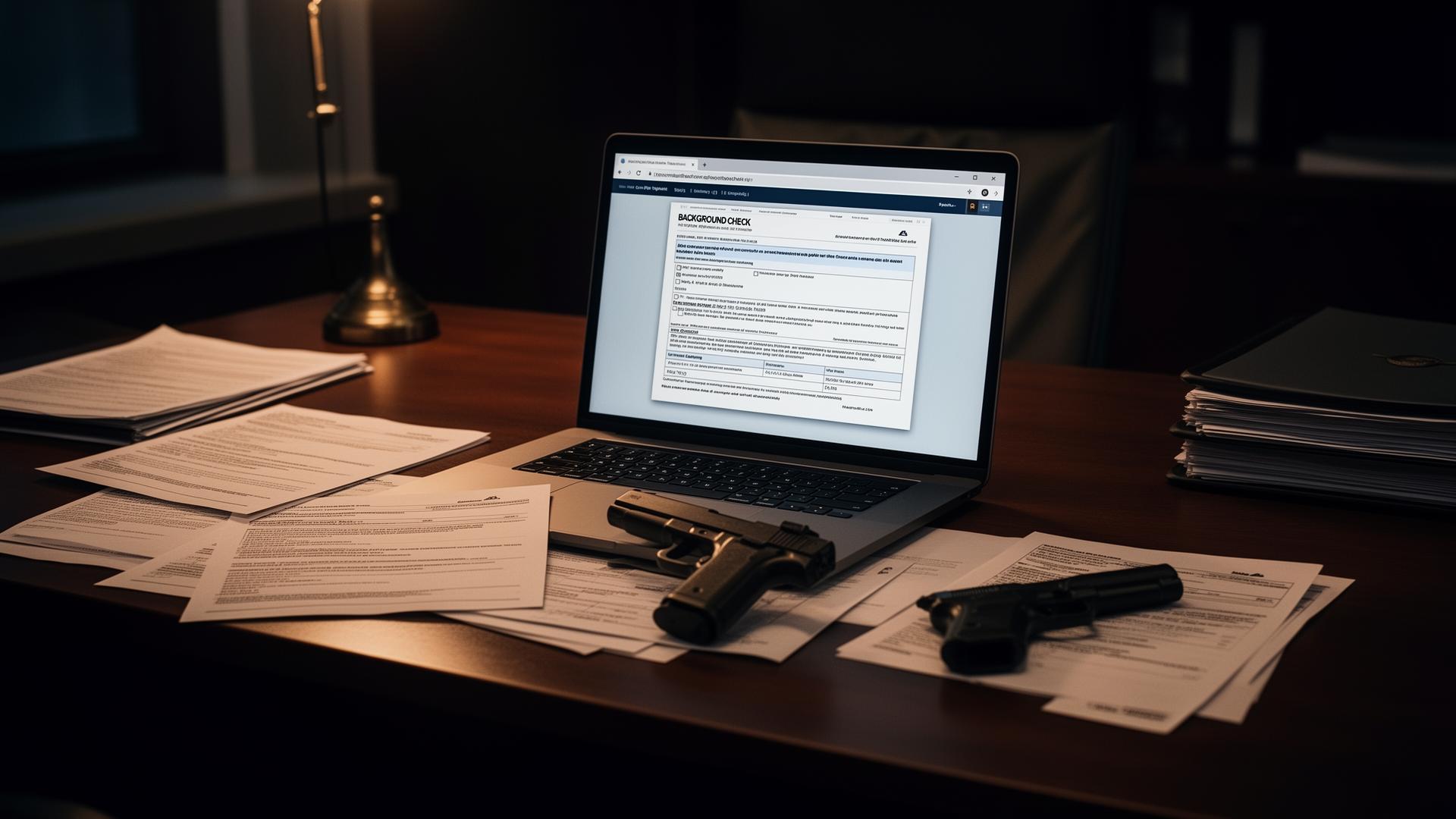
Most states do not require a background check for private-party transactions, but we strongly recommend one in most situations. If you are gifting to a family member or selling to a close friend you know well, the risk is lower. That is why many states do not require a background check by law, and we generally agree with that stance. If you do not personally know the buyer — they responded to a classified ad, came through a stranger’s referral, or showed up at a gun show — running a background check is the single smartest move on the list of tips to protect yourself when selling a gun. Several online services, including Gun Transfer America, can run a background check on a private buyer for you.
At a minimum, verify a government-issued ID against the name and address on the bill of sale. If anything feels off — an evasive answer about why they want the firearm, a refusal to show ID, an offer of cash well above asking price — walk away. No price tag is worth the legal exposure of a sketchy transaction.