





How to Buy a Gun in Indiana

2026 Complete Legal Guide

Buying a firearm in Indiana is legal for most eligible adults, but the process must follow both federal law and Indiana state regulations. This guide covers everything you need to know.

How to Buy a Gun in Indiana — Quick Overview

  • Who Can Buy: Most law-abiding adults 18+ not prohibited under federal law
  • Age Requirements: 21+ for handguns from licensed dealers; 18+ for private transfers and long guns
  • Background Check: Required at licensed dealers via FBI NICS — not required for private sales
  • Waiting Period: None
  • Private Sales: Legal between eligible Indiana residents
  • Permit to Purchase: Not required
  • Gun Registration: Not required
  • Bill of Sale: Not legally required but strongly recommended

Who Can Legally Buy a Gun in Indiana

Most law-abiding adults 18+ not prohibited under federal law.

To legally buy a firearm, a person generally must:

  • Be legally allowed to possess firearms under federal law (18 U.S.C. § 922)
  • Meet the minimum age requirements
  • Provide valid government-issued photo ID when purchasing from a licensed dealer
  • Not be a prohibited person under federal law
  • Be a legal resident of the United States

Federal law prohibits certain individuals from purchasing or possessing firearms. These restrictions apply equally in all 50 states and the District of Columbia.

Individuals prohibited from purchasing or receiving firearms include:

  • Convicted felons (any crime punishable by more than one year imprisonment)
  • Persons convicted of domestic violence misdemeanors
  • Persons subject to qualifying restraining or protective orders
  • Unlawful users of or persons addicted to controlled substances
  • Persons adjudicated as mentally defective or committed to a mental institution
  • Illegal aliens and persons who have renounced U.S. citizenship
  • Persons dishonorably discharged from the armed forces
  • Fugitives from justice

Attempting to purchase a firearm in Indiana while prohibited is a serious federal crime — punishable by up to 10 years in prison and fines up to $250,000.

Understanding your eligibility is the essential first step before buying any firearm in Indiana.

Age Requirements for Buying a Gun in Indiana

Before purchasing any firearm in Indiana, buyers must understand the minimum age requirements.
Buying from a licensed FFL dealer:

21

years old to purchase handguns from a dealer

18

years old to purchase rifles or shotguns from a dealer
These age requirements apply to all gun purchases in Indiana. Federal law sets the minimums and Indiana adds no additional age restrictions.
For private gun purchases in Indiana: federal law sets 18 as the minimum age for ALL private firearm transfers. Selling a firearm to anyone under 18 violates federal law — always ask for ID.
Buying from a private seller (private gun sale):

18

years old minimum to purchase handguns in a private sale

18

years old minimum to purchase rifles or shotguns in a private sale
Indiana allows private firearm sales between eligible individuals. GunTransfer.com’s bill of sale documents the buyer’s date of birth and eligibility acknowledgment — protecting both parties.

Who Can Legally Buy a Gun in Indiana?

Under both federal law and Indiana gun transfer laws, most adults who are legally eligible to possess firearms may purchase and receive them. Indiana imposes no additional eligibility requirements beyond federal law.
To legally buy or receive a firearm, a person must:
  • Be legally allowed to possess firearms under federal law (18 U.S.C. § 922)
  • Meet the minimum age requirements (18+ for private transfers; 21+ for handguns from dealers)
  • Provide valid government-issued photo ID when purchasing from a licensed dealer
  • Not be a prohibited person under federal law
  • Be a legal resident of the United States
Federal law prohibits certain individuals from receiving firearms. These prohibitions apply in Indiana just as in every other state.
Individuals prohibited from purchasing or receiving firearms include:
  • Convicted felons
  • Persons convicted of domestic violence misdemeanors
  • Persons subject to qualifying restraining orders
  • Unlawful users of controlled substances
  • Persons adjudicated mentally defective
  • Illegal aliens and persons who have renounced citizenship
  • Persons dishonorably discharged from the armed forces
  • Fugitives from justice
Attempting to purchase a firearm in Indiana while prohibited is a serious federal crime — punishable by up to 10 years in prison.
GunTransfer.com performs a background check on all buyers and includes a buyer eligibility acknowledgment in the bill of sale — protecting the seller. See ATF — Identifying Prohibited Persons →

Buying a Gun from a Licensed Dealer in Indiana

The most common way to purchase a firearm in Indiana is through a Federal Firearms Licensee (FFL) dealer, such as a gun store or sporting goods retailer. All sales through licensed dealers require a NICS background check — Indiana dealers use the FBI NICS system directly. .

Typical process when buying from a dealer:

1
Choose the firearm.
2
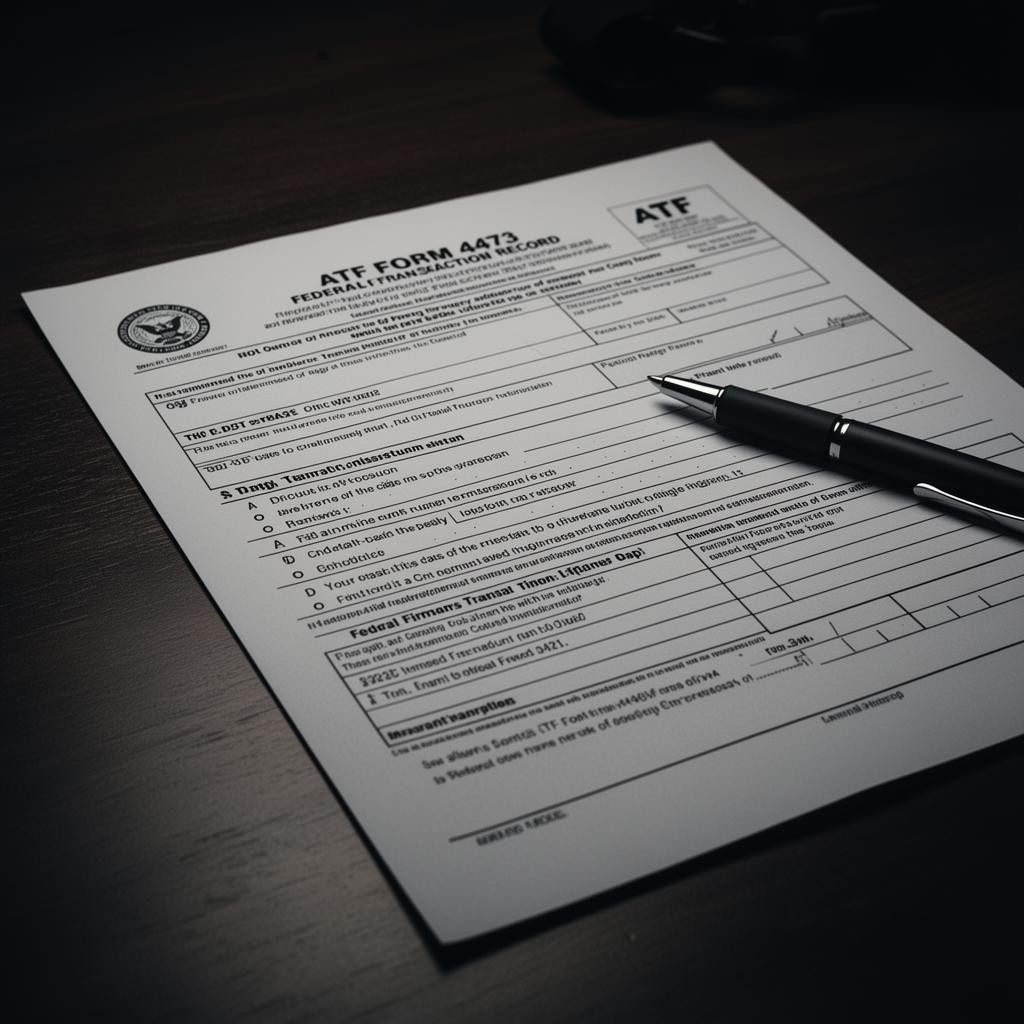
Complete ATF Form 4473.
3
Present valid photo ID.
4
Undergo NICS background check.
5
Complete purchase.
6
Inspect firearm and verify serial number.

In most cases the background check is completed quickly. No mandatory waiting period — take possession immediately once approved.

How to Buy a Gun from a Private Seller in Indiana

Indiana law allows private firearm sales between individuals. This means a firearm owner may legally sell a gun directly to another Indiana resident without going through a licensed dealer.

Private firearm purchases are common when:

  • Buying a used firearm from another gun owner
  • Purchasing from a collector or at a gun show
  • Buying from a friend or family member

Both buyers and sellers in a private transaction remain responsible for complying with federal firearm laws. The buyer must be legally eligible to receive the firearm.

Although Indiana does not require official documentation for private sales, many buyers use GunTransfer to create a clear record of when they took ownership of the firearm.

INDIANA GUN PURCHASE QUICK REFERENCE

PURCHASE TYPEBACKGROUND CHECKWAITING PERIODKEY NOTES
Licensed DealerRequired — FBI NICSNone21+ handguns, 18+ long guns.
Private SaleNot RequiredNoneBoth parties eligible. Bill of sale recommended.
Online PurchaseRequired at receiving FFLNoneShips to Indiana FFL.
Out-of-State HandgunRequired at Indiana FFLNoneMust ship through Indiana FFL.
Constitutional CarryNot applicableNoneNo permit required since July 2022.

Step-by-Step Guide on How to Buy a Gun in Indiana

Whether buying from a dealer or a private seller, the typical process for legally purchasing a firearm in Indiana includes the following steps.

1

Confirm your eligibility

Verify you are legally eligible.

2

Choose the right firearm

Select for your intended purpose.

3

Decide where to buy

Licensed FFL or private seller.

4

Complete required paperwork

ATF Form 4473 for dealer; GunTransfer bill of sale for private.

5

Take possession

No waiting period.

6

Store safely

Secure your firearm.

Why Many Buyers Use GunTransfer

Private firearm purchases are legal in Indiana, but without documentation there is no proof of exactly when you took ownership — which can matter if the firearm is later reported stolen or connected to an incident that occurred before your purchase.

GunTransfer performs a background check on all buyers and generates a complete, legally sound bill of sale — giving both parties a documented record of the transfer.
Using GunTransfer helps buyers:

Establish a clear record of the firearm’s serial number and description

Document the exact date you took legal ownership

Protect yourself if the firearm was previously involved in an incident

Demonstrate responsible, law-abiding firearm ownership

For buyers, a signed GunTransfer bill of sale is proof that you own the firearm as of a specific date — critical if it is ever lost, stolen, or traced. GunTransfer makes this documentation simple for every private purchase in Indiana.

Documents Required to Buy a Gun in Indiana

When purchasing a firearm from a licensed dealer in Indiana, buyers must provide:

  • A valid government-issued photo ID (driver's license or state ID)
  • Current residential address
  • Completed ATF Form 4473 (the dealer provides this)

Private firearm purchases do not require the same dealer paperwork — but many buyers still use GunTransfer to document the transfer. GunTransfer.com performs a background check on the buyer and generates a complete bill of sale documenting both parties, the firearm details, serial number, sale price, and date — giving both buyer and seller legal protection.

How to Buy a Gun in Indiana

Waiting Periods and Registration in Indiana

Indiana does not require a waiting period for firearm purchases. Once a dealer’s background check clears — or once both parties agree in a private sale — the buyer may take possession immediately.

Indiana does not require firearm registration for firearms owned by private citizens. You are not required to register your newly purchased firearm with the state.

While no state registration is required, maintaining your own records — including a GunTransfer bill of sale — is a smart practice that documents your lawful ownership.

Interstate Gun Purchases

Federal law regulates firearm purchases between residents of different states. Indiana buyers purchasing from out-of-state sellers must understand these rules.
  • Handguns purchased from an out-of-state seller must be transferred through a licensed Indiana FFL dealer who will conduct the required background check before releasing the firearm.
  • Long guns (rifles and shotguns) may sometimes be purchased out of state if the purchase complies with the laws of both Indiana and the seller's state.
  • You may never take direct possession of a handgun from a private out-of-state seller — it must be shipped to a Indiana FFL dealer first.
Understanding these interstate rules ensures your purchase complies with federal law. When buying from an out-of-state seller online, always arrange the transfer through a licensed Indiana FFL dealer.

Indiana Gun Laws Every Buyer Should Understand

Although Indiana has relatively permissive firearm purchase laws, buyers should still understand several important regulations. Key rules include:

  • Firearms prohibited in schools, courthouses, and aircraft
  • Must be 18 for private transfers; 21 for handguns from a dealer
  • Federal prohibitions apply
  • Constitutional carry effective July 2022
Understanding these rules helps ensure your firearm ownership in Indiana remains lawful and responsible.

Responsible Firearm Ownership

Buying a firearm comes with important ongoing responsibilities. Responsible gun owners should:

Store firearms securely and away from unauthorized access

Follow all firearm safety rules at all times

Stay informed about Indiana and federal firearm laws

Keep records of firearm purchases and transfers

When purchasing firearms privately in Indiana, keeping a GunTransfer bill of sale is one of the simplest steps a responsible buyer can take. GunTransfer performs a background check on the buyer and generates a complete, signed record that both parties keep.

Frequently Asked
Questions

Do I need a permit to buy a gun in Indiana?
No. Texas does not require a permit to purchase firearms. There is no state firearms ID card or purchase permit required before buying a handgun or long gun in Texas.
No. Texas does not require background checks for private firearm sales between individuals. However, you must be legally eligible to possess the firearm — and the seller must not knowingly transfer to a prohibited person. Buying from a licensed FFL dealer always requires a NICS background check.
No. Texas does not impose a mandatory waiting period for firearm purchases. Once a dealer’s background check is approved — or once both parties agree in a private sale — the buyer may take possession immediately.
Yes. You can purchase firearms from online retailers, but the firearm must be shipped to a licensed FFL dealer in Texas, who will complete the transfer paperwork and required background check before releasing the firearm to you. You cannot take direct delivery of a firearm at your home.

Explore All GUN Laws across the country

Ready to Transfer ?

Resource Center

Your Complete Gun Transfer Knowledge Hub

Every guide, form, and state law you need to complete a private firearm transfer — legally, safely, and with full documentation behind you.

Guides
8 guides
State-by-State Guides

Know Exactly What Your State Requires

Gun transfer laws differ dramatically across the country. Our state-by-state guides walk you through what's required wherever you are — from private sale rules to mandatory background checks and dealer involvement.

Step-by-Step
6 guides
Process Guides

How to Transfer a Gun

Clear walkthroughs covering every stage of a legal private gun transfer — from first click to signed bill of sale.

Private Sales
6 guides
Private Transfers

Private Gun Sale Resources

Navigate party-to-party firearm sales safely — without an FFL dealer and without the guesswork.

Legal Docs
6 resources
Documents & Tools

Forms, Bills of Sale & Tools

Free downloadable forms and compliance guides so every transfer is documented and fully defensible.

Learn & Explore
6 pages
Blog & Company

Articles, News & Company Info

In-depth articles, company background, and everything else you need to know about Gun Transfer.

OFFICIAL GUN LAW RESOURCES

GunTransfer helps firearm owners complete private firearm transfers responsibly while helping buyers and sellers remain compliant with applicable firearm laws.

223

Transfers Stopped For Safety Thanks To Gun Transfer!

50 States Covered
400+ State Pages
25+ Resource Guides
2026 Laws Up to Date

Legal Disclaimer

The information on this page is provided for general educational purposes only and does not constitute legal advice. Firearm laws may change and may vary depending on individual circumstances. Always consult official state resources or a qualified professional for guidance.

Legal Disclaimer

The information on this page is provided for general educational purposes only and does not constitute legal advice. Firearm laws may change and may vary depending on individual circumstances. Always consult official state resources or a qualified professional for guidance.