







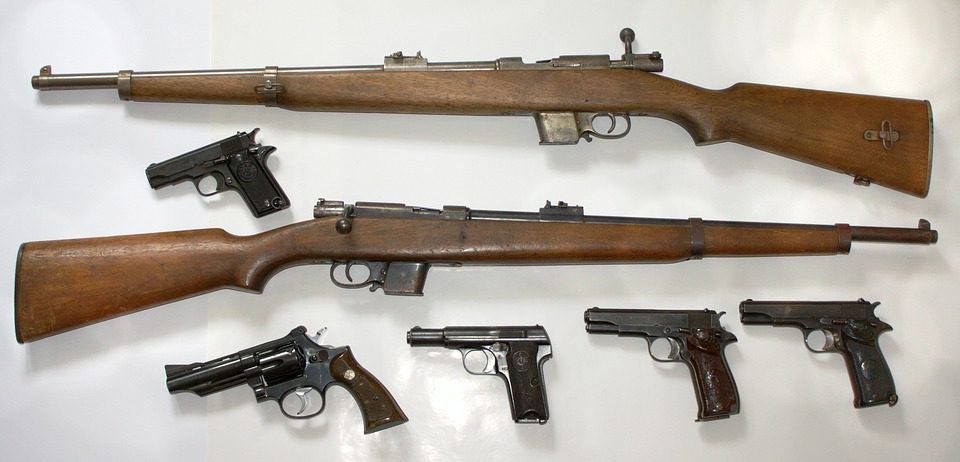
Top Factors to Consider When Buying a Gun
The top factors to consider when buying a gun are not the same for every buyer. People buy firearms for self-defense, recreation, hunting, collection, sport shooting, or some combination of all of the above — and each goal points to a different category of firearm. The buyer who walks into a gun store without thinking through their actual use case ends up either with a firearm that does not match their needs or with one they never feel comfortable using. Either outcome is expensive, and the second can be dangerous.
This guide covers the top factors to consider when buying a gun in plain language: intended use, body fit and ergonomics, caliber and size, budget, training requirements, and the legal landscape that applies to your state. Working through these factors before any purchase produces a firearm you actually use confidently — which is the only kind worth owning.
Top Factors to Consider When Buying a Gun: Start With Intended Use
The single most important of the top factors to consider when buying a gun is what you actually intend to do with it. The right firearm for home defense is different from the right firearm for concealed carry, which is different from the right firearm for hunting, which is different from the right firearm for competition shooting. A buyer who tries to find one firearm that does all of these well typically ends up with one that does none of them well.
The most common use cases:
- Home defense. Trainers consistently recommend a 12-gauge or 20-gauge pump-action shotgun as the most effective single firearm for defending an interior space. A 9mm semi-automatic pistol or a .357 revolver are also strong choices, particularly for households that want a more compact option
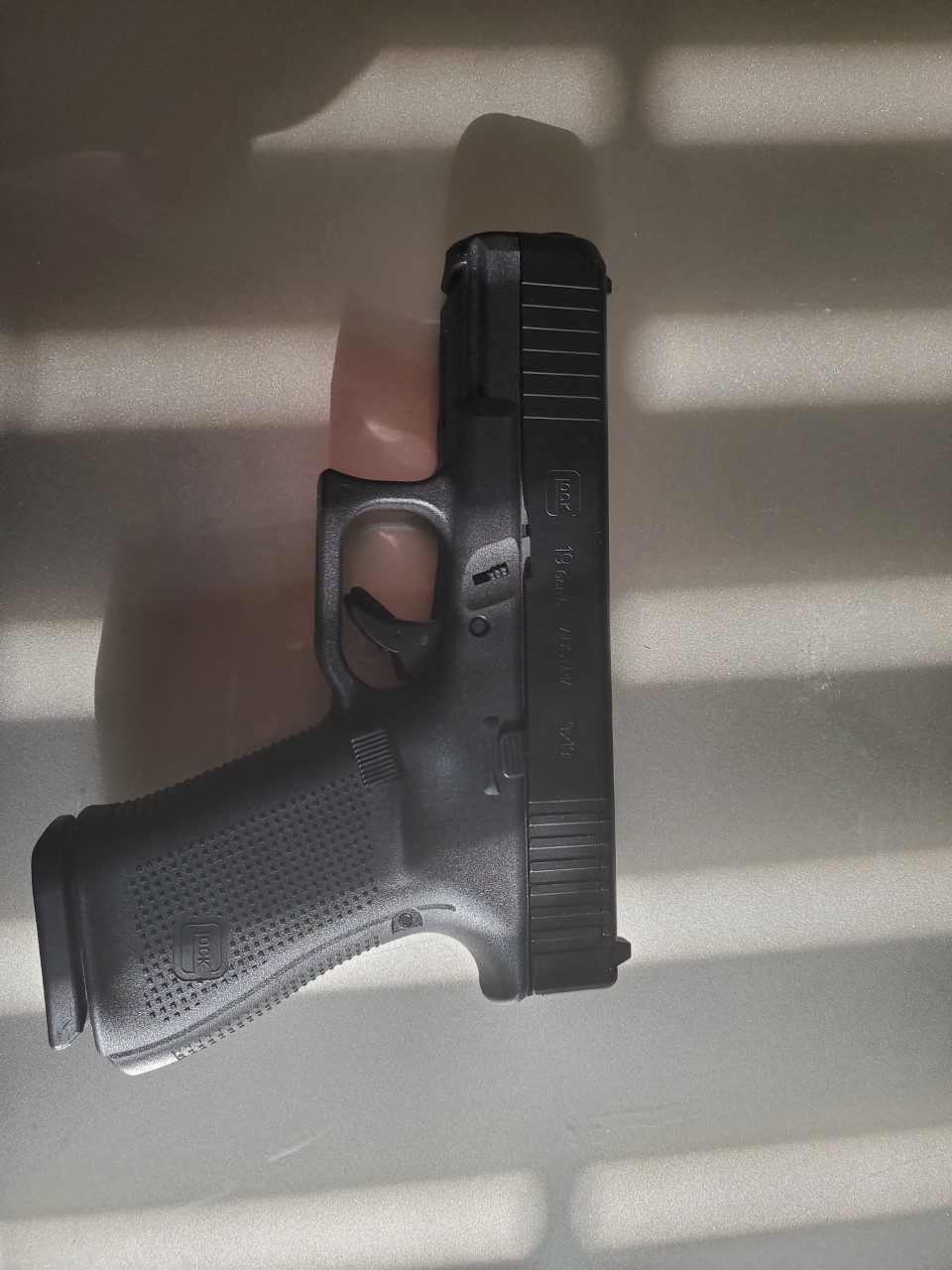
- Concealed carry. Compact 9mm pistols (Glock 19, Sig P365, S&W Shield) dominate this category for good reason — high capacity, low recoil, manageable size, and broad availability of holsters and accessories
- Hunting. The right firearm depends entirely on the game and the terrain. A bolt-action rifle for big game, a semi-automatic shotgun for waterfowl, a lever-action rifle for brush hunting — each is the established choice for its specific application
- Sport shooting. Precision rifle competitions, IDPA, USPSA, three-gun, trap and skeet — each discipline has specific firearm requirements that determine the right choice
- General-purpose recreation. A reliable 9mm semi-automatic pistol, a .22 LR rifle for low-cost practice, and a 12-gauge shotgun for clay shooting cover most casual use cases
Body Fit and Ergonomics: A Top Factor in Buying a Gun
A firearm you cannot grip securely or shoot comfortably is one you will not practice with — and a firearm you do not practice with is a liability. Among the top factors to consider when buying a gun is whether the specific model fits your hand, frame, and strength.
This factor is impossible to evaluate without actually handling the firearm. Visit a range that offers rentals and fire several models in your category before committing. The differences between an ergonomic firearm in your hand and one that does not quite fit become obvious within ten to twenty rounds. Pay attention to:
- Grip circumference relative to your hand size
- Trigger reach (the distance from the backstrap to the trigger face)
- Recoil management — does the firearm stay on target after the shot, or does it require significant effort to reset?
- Weight and balance during sustained holding
- Sight visibility for your specific eyesight (some shooters prefer high-visibility sights, others prefer adjustable iron sights)
For shooters of smaller frame, lower upper-body strength, or specific physical considerations (arthritis, recent injury, etc.), the right firearm may be very different from the conventional first-choice recommendations. The best firearm for a given person is the one they can run with confidence.
Top Factors to Consider When Buying a Gun: Caliber and Size
Your intended use combined with your physical fit determines the right caliber and size. Among the top factors to consider when buying a gun, caliber selection produces the most second-guessing among first-time buyers.
The defensive handgun calibers most often recommended:
- 9mm is the standard recommendation for most defensive use. Manageable recoil, high magazine capacity, low ammunition cost, broad availability of training ammunition and defensive loads
- .38 Special / .357 Magnum in a revolver is a strong option for shooters who prefer the simplicity of a revolver and want flexibility between practice (.38) and defensive (.357) loads
- .45 ACP trades capacity for stopping power; popular among traditionalists and shooters who prefer larger frames
- .380 ACP is a smaller cartridge for the smallest concealed-carry pistols; less recoil than 9mm, less capacity and stopping power
For long guns, caliber depends entirely on use. 12-gauge with appropriate buckshot for home defense; .223/5.56 NATO for an AR-15 platform; centerfire calibers like .308 Winchester or .30-06 for big-game hunting; .22 LR for low-cost practice and small-game hunting. The variety of choices is wider with long guns and the right answer depends more directly on the specific purpose.
Budget: One of the Practical Top Factors to Consider When Buying a Gun
Budget is one of the most practical top factors to consider when buying a gun, and one of the most underestimated. Quality firearms range from about $400 for a reliable used handgun up to several thousand for premium new firearms. The firearm itself is only the start of the cost.
A complete first-year budget for a defensive handgun typically includes:
- Firearm: $400-$1,200
- Quality holster: $50-$150
- Quality belt: $40-$100
- Quick-access lock box: $100-$300
- Basic cleaning kit: $30-$60
- Defensive ammunition (200 rounds): $80-$200
- Practice ammunition (500-1000 rounds in the first year): $200-$400
- Eye and ear protection: $40-$100
- Concealed carry training course: $150-$400
- Range membership or fees: $200-$600
Total: roughly $1,300 to $3,500 for a complete first-year setup done correctly. Cutting corners on holster, lock box, training, or ammunition produces an inferior outcome. Budget accordingly, and consider waiting until you can afford to do it right rather than buying a cheap firearm with cheap accessories.
The Legal Landscape Among Top Factors to Consider When Buying a Gun
Federal and state laws determine what you can buy, where you can buy it, what permits you need, and how you can transport and use the firearm afterward. Among the top factors to consider when buying a gun, the legal landscape applies to every buyer regardless of intended use.
- Federal: ATF Form 4473 at every dealer purchase, NICS background check, federal age minimums (18 long gun, 21 handgun)
- State: permit-to-purchase requirements, waiting periods, magazine capacity limits, assault-weapons classifications, secure storage mandates
- Local: city or county ordinances that may further restrict possession, transport, or use
- Concealed carry: state-specific permitting and reciprocity for carrying outside the home
The Bureau of Alcohol, Tobacco, Firearms and Explosives publishes federal guidance, and your state attorney general’s website is the right source for state-specific rules. Rules change every legislative session, so checking before any purchase is the safer practice.
Top Factors to Consider When Buying a Gun: Training Commitment
The final of the top factors to consider when buying a gun is whether you will actually train with it. A firearm gathering dust in a closet is a liability. The benefit of firearm ownership comes from the combination of the firearm, regular training, and ongoing range practice — not from the firearm alone.
Plan to spend at least as much on training and ammunition in the first year of firearm ownership as you spent on the firearm itself. A defensive firearms course (typically 8-20 hours of classroom and range time) builds the foundation; subsequent monthly range sessions maintain and extend the skill. Owners who take training seriously develop confidence with their firearm; owners who skip training tend to be the ones whose names appear in stories about accidental discharges.
Putting the Top Factors to Consider When Buying a Gun Together
Working through the top factors to consider when buying a gun in order — intended use, body fit, caliber and size, budget, legal landscape, training commitment — produces a clear path to the right firearm for your specific situation. Skip any of these and you are likely to end up with a firearm that does not fit your needs. Work through all of them and the purchase decision becomes obvious.
For more on responsible firearm ownership beyond the buying decision itself, see our guides on common mistakes when buying a gun and dangerous mistakes new gun owners make.