






A Case Against Celebratory Gunfire
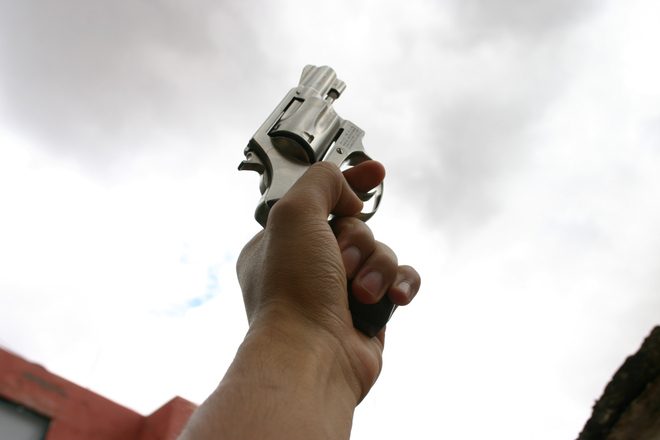
A case against celebratory gunfire begins with simple physics: every bullet fired into the air comes back down somewhere. People in some cultures fire their guns in celebration. Aerial firing of firearms is common in the Balkan region, the Middle East, Central Asia, and South Asia. Though not as widespread, it is also practiced in parts of the United States and Puerto Rico during holidays such as New Year’s Eve, the Fourth of July, and weddings. The practice looks dramatic. It also kills people who were not even part of the celebration.
This article makes a case against celebratory gunfire grounded in three simple facts: bullets do not vanish when fired upward, the people most often hurt are uninvolved bystanders, and there are far better ways to mark a celebration. None of these points is controversial in physics, medicine, or law — yet the tradition continues every year, and every year someone dies.
The Physics of Falling Bullets
What goes up must come down. A bullet fired straight up loses energy as it climbs, momentarily stops, and then falls back to earth under gravity. Even at terminal velocity, a falling bullet retains enough force to penetrate skin and skull. Studies place the terminal velocity of typical handgun rounds in the range of 100 to 200 feet per second — well below the muzzle velocity, but more than enough to cause fatal injury when it strikes the head or face. The physics alone make a case against celebratory gunfire that requires no further argument.
Bullets fired at angles are even more dangerous. A round fired at 45 degrees travels along an angular ballistic trajectory that produces less tumbling on descent, meaning the bullet keeps more of its original velocity. The result is a projectile traveling well above lethal threshold and landing somewhere downrange of where the shooter expects.
A Case Against Celebratory Gunfire: Real Deaths from Stray Bullets
The strongest line in a case against celebratory gunfire is not theoretical. It is the people who have died. On New Year’s Eve 1999, fourteen-year-old Shannon Smith was killed in her own backyard in Phoenix, Arizona, by a stray bullet fired into the air during celebrations miles away. The Arizona legislature responded by passing what is now known as Shannon’s Law, a felony statute making it a Class 6 felony to discharge a firearm with criminal negligence within or into city limits. Similar deaths have been documented in Houston, Detroit, Atlanta, and dozens of cities around the world during major holidays.
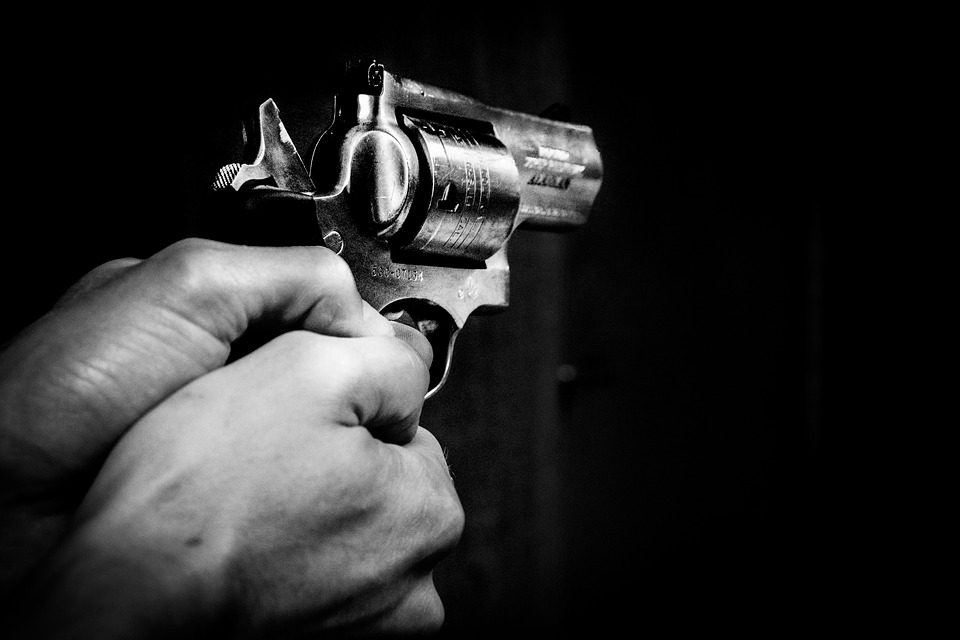
The U.S. Centers for Disease Control and Prevention has reported that the most common injuries from celebratory gunfire affect the head, feet, and shoulders of the victims. Many victims are children, who are statistically more likely to be outdoors during holiday gatherings and whose smaller bodies have less mass to absorb the impact of a falling round. The injuries that survive treatment frequently leave lasting damage — skull fractures, traumatic brain injury, paralysis. Property damage is constant: shattered windshields, defaced roofs, holes in walls.
Why Celebratory Gunfire Is Illegal in Most U.S. States
The legal landscape adds another layer to a case against celebratory gunfire — most of these jurisdictions banned the practice precisely because deaths kept happening. Discharging a firearm into the air in a populated area is illegal in nearly every U.S. state, even where firearms are otherwise loosely regulated. Specific statutes vary, but the common pattern looks like this:
- Reckless discharge or endangerment laws covering aimless firing in populated areas
- State-specific celebratory gunfire statutes (Arizona’s Shannon’s Law is the most-cited example)
- Municipal noise and weapons ordinances within city limits
- Federal property restrictions on national parks, federal buildings, and military installations
- Civil liability for injuries and property damage caused by stray rounds, even if no criminal charge is filed
The Bureau of Alcohol, Tobacco, Firearms and Explosives consistently lists celebratory gunfire as one of the most preventable categories of firearm misuse, on a list that also includes leaving firearms accessible to children and storing loaded weapons in unsecured locations. Penalties for a celebratory gunfire conviction can include felony charges, prison time, loss of firearm ownership rights for life, and civil judgments running into the hundreds of thousands of dollars when a bullet hits a person or property.
Better Ways to Celebrate
Even setting aside a case against celebratory gunfire on safety grounds, there are simply better ways to mark a holiday or event. Fireworks, where legal, produce more visible spectacle than gunfire. Noise makers, drums, music, and even legal blank-firing replicas can give the same auditory impact without sending live ammunition into the air. For people who simply want to be heard at midnight on New Year’s Eve, banging pots and pans is a centuries-old tradition that has not killed anyone.
For firearms enthusiasts, a celebration is a perfectly reasonable occasion to spend an afternoon at a properly supervised range — where ammunition lands in a backstop instead of someone’s roof. Recreational target shooting on private land with proper backstops is also a legal and safe alternative.
Stopping the Practice Comes Down to Education
Death, injury, and property damage from celebratory gunfire are entirely preventable. The tradition continues because shooters do not connect the act in front of them with the consequence miles away. Education is the most effective preventive measure — particularly education aimed at responsible gun owners, who have the most influence on the people in their communities who keep doing this. A case against celebratory gunfire is not a case against firearms or against celebration. It is a case for thinking about where the bullet lands.
If you own firearms and find yourself at a celebration where someone reaches for a weapon, the right response is to ask them to put it back. The conversation may be uncomfortable. It is much less uncomfortable than the conversation you would have if a stray round from that same gun struck a child six blocks away. When you boil it down, a case against celebratory gunfire is really a case for everyone going home alive after a holiday. For more on responsible firearm ownership, see our guides on dangerous mistakes new gun owners make and how to store guns safely at home.