







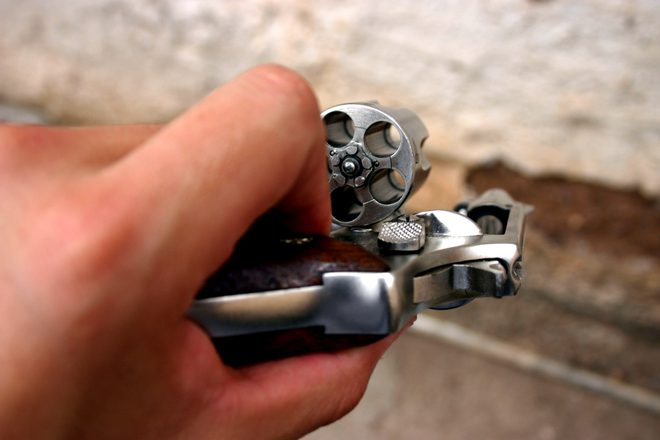
How to Store Guns Safely at Home
How to store guns safely at home is one of the most important questions a responsible firearm owner can ask. Once you bring a firearm into the household for the protection of your family, you take on the obligation to keep it secured at all times. The holiday season often brings a rush of company, including friends and extended family, into your residence. An unsecured weapon is a danger to everyone, especially small children who are naturally curious about anything new and forbidden.
Properly secured firearms protect against theft, prevent unauthorized use, and reflect the responsibilities of safe firearm ownership. Many owners think a closet shelf or a drawer is enough — it is not. Effective gun storage at home is layered, intentional, and reviewed regularly.
The Three Layers of Firearm Protection at Home
The single most reliable approach is to layer your defenses. That means a primary container (a quality safe or lock box), a secondary mechanical device (a trigger lock or cable lock) on the firearm itself, and ammunition kept separately whenever practical. The ATF and most state attorney general guidelines align on this approach: redundancy beats single points of failure every time.
Layer 1: A proper gun safe or lockbox
A proper gun safe should be heavy enough that it cannot be carried away in a burglary, fire-rated for at least 30 minutes, and bolted to a wall stud or floor joist. For one or two firearms, a quality biometric or RFID container kept under a bed or inside a closet is often enough. For larger collections, a full-size unit with an electronic keypad is worth the investment.
Layer 2: Trigger and cable devices
Even inside a safe, every firearm should have its own trigger lock or cable device. This double layer ensures that if your primary container is ever compromised, the weapon itself is still inoperable without the device’s key or combination. These secondary devices are inexpensive, and the National Shooting Sports Foundation distributes them for free in many areas through their Project ChildSafe program.
Layer 3: Separate ammunition storage
Ammunition kept separately from the firearm adds one more barrier between an unauthorized person and a loaded weapon. A second locked container in a different part of the house is the gold standard. For self-defense firearms where rapid access matters, this rule can be relaxed in favor of a quick-access safe — but only if no minors or unauthorized adults have any access.
How to Store Guns Safely at Home When Children Are Present
If children live in or visit your residence, the standards for safe firearm handling become non-negotiable. Teach your family the four basic firearm safety rules from a young age. Make sure children know that weapons are not toys and that they should immediately tell an adult if they ever find an unsecured firearm. Even with safety education, the firearm must always be locked. Curiosity beats compliance every time.
Secure Firearm Access for Self-Defense
One of the hardest problems in home firearm storage for self-defense is balancing security with rapid access. A traditional safe with a dial mechanism takes 30 to 90 seconds to open — useless during a home invasion. A nightstand drawer is dangerous if children ever visit.
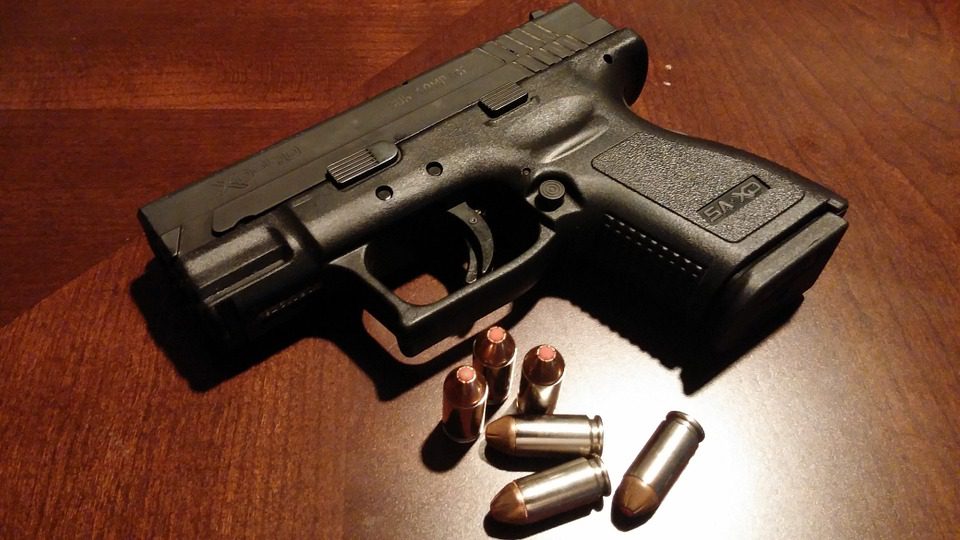
The honest answer most articles avoid: a quick-access biometric or RFID lock box, mounted next to the bed and bolted to the frame, opens in under two seconds with a fingerprint or proximity device and refuses to open for anyone the system does not recognize. Pair it with separate ammunition storage in another room only if you genuinely expect minutes of warning rather than seconds.
The principle holds even when the firearm is meant for protection: it remains secured whenever you are not actively holding it. Quick access is not the same as no access — even the fastest biometric container still requires a deliberate authorized action, and that small barrier is the difference between a defensive tool and a tragedy.
If you live alone with no children visiting, you have more flexibility. If anyone else has access to your residence, including overnight guests or extended family, the fast-access lockbox is non-negotiable. Whatever setup you choose, write down where each firearm is kept and what type of device secures it — if something happens to you, your spouse or executor needs to know exactly how to secure or legally transfer those firearms.
What to Do Before, During, and After a Firearm Transfer
If you are buying or selling a firearm, secure handling matters during the entire transaction. Document the weapon with photos and serial numbers before any transfer. If you are completing a private sale, use Gun Transfer America to handle the legal paperwork and bill of sale online. After the transaction closes, the new owner is responsible for following the same secure practices — consider including a printed safety guide with the firearm.
Common Mistakes to Avoid
- Leaving a loaded firearm in a nightstand drawer with no lock
- Sharing safe combinations with extended family or roommates
- Keeping ammunition and firearm together in an unlocked location
- Using a thin sheet metal cabinet that can be pried open
- Forgetting to teach household members the safety rules
- Choosing a unit with a key lock instead of a combination or biometric
- Placing the safe in an obvious location like a bedroom closet
Reassess Your Setup Regularly
Learning how to store guns safely at home is an ongoing process, not a one-time setup. Reassess your arrangement every time your living situation changes — new roommates, kids visiting, a move to a new residence. For more guidance on safe firearm ownership, see our guides on dangerous mistakes new gun owners make and protecting your guns from theft. Whether you own one firearm or twenty, a clear and disciplined approach keeps everyone in the household safer.
Finally, document your storage choices for the people who will need them later. A simple printed inventory kept inside your main safe, along with copies of receipts and serial numbers, makes everything easier — for insurance claims after a theft, for estate executors handling a transfer, or for your own reference when you reassess. The best gun storage at home is not just where you put each firearm today; it is a system any responsible adult in your household could follow tomorrow.