







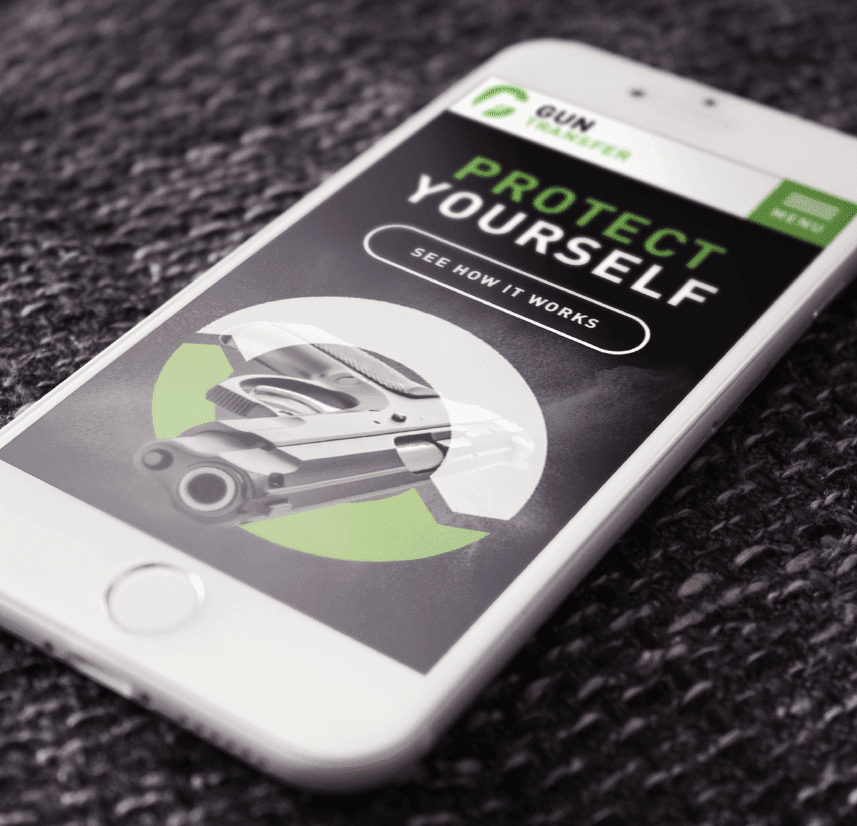
Digital Lifetime Record
A digital lifetime record of every firearm transaction you participate in is the single most important habit a private gun owner can build, and one of the easiest. The reason is simple: once a firearm leaves your possession, you cannot control what happens to it next. The buyer might sell it on legitimately. They might gift it to a family member. They might lose it, or have it stolen, or — in the worst case — use it in a crime. If law enforcement traces the firearm back to you years later, the difference between a routine inquiry and a serious legal problem is whether you can produce documentation showing you transferred it lawfully.
Paper records have been the default for decades, but they are increasingly inadequate for the realities of modern firearm ownership. A digital lifetime record solves the problems paper creates and adds capabilities paper cannot match — encrypted storage, instant retrieval, redundant backups, and proof of when each record was created.
What a Digital Lifetime Record Is and Why It Matters
A digital lifetime record is an encrypted, time-stamped record of each firearm you have ever owned, sold, gifted, or transferred — stored on secure cloud infrastructure rather than in a folder in your closet. The record establishes a clear chain of custody from the moment you took ownership to the moment you relinquished it, including the identity of the person you transferred it to and the supporting documents (bill of sale, ID verification, background check confirmation if applicable).
Regardless of which administration is in office or what direction firearm policy moves over the next decade, the documentation you keep today protects you decades from now. Government policy shifts depending on elected officials, and you do not want to be caught flat-footed when your records are the only thing standing between you and an avoidable legal headache. A digital lifetime record gives you a permanent, retrievable answer to the question “what happened to that firearm?” no matter how many years have passed.
Why a Paper Record Is Not Enough Anymore
Many gun owners keep their own personal records in a folder, file cabinet, or shoebox at home. This is better than nothing, but it is fragile in ways most owners do not realize until the moment they need the record:
- Paper records get misplaced, water-damaged, or destroyed in fires
- A handwritten bill of sale can be challenged for authenticity if the buyer denies the transaction
- You cannot search a stack of paper for “the Glock I sold seven years ago” — you can dig, and hope
- A burglar who takes your gun safe often takes the records stored alongside it
- If you move several times over the decades, paper records have a way of disappearing in the move
A digital lifetime record stored on encrypted servers is fundamentally more durable. The same approach that hospitals, banks, and accountants use to safeguard sensitive records — cloud storage with encryption at rest and redundant backups — applies equally well to firearm transaction history.
What Belongs in a Digital Lifetime Record
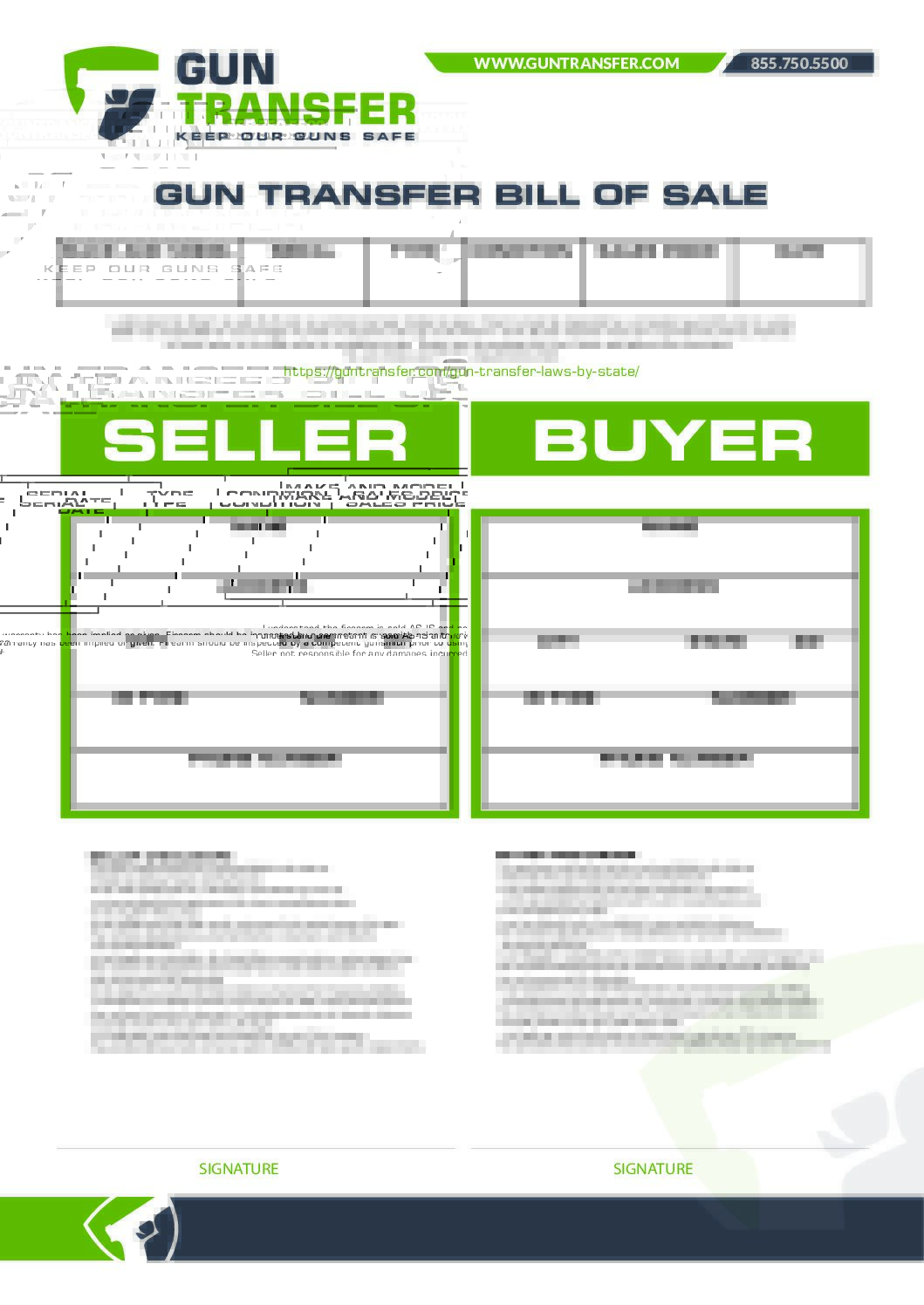
A useful digital lifetime record captures everything a future investigation could plausibly ask about:
- Date you acquired the firearm and from whom (dealer, family member, private seller)
- Date you transferred or sold the firearm and to whom
- Make, model, caliber, and serial number
- The signed bill of sale (PDF scan or natively digital)
- Identification verification of the other party (e.g., driver’s license number)
- Background check confirmation if one was performed
- Any notes about the condition of the firearm or accessories transferred with it
- Time-stamped metadata proving when each record was created
The Bureau of Alcohol, Tobacco, Firearms and Explosives publishes guidance on documentation standards for federally licensed dealers; private owners are not legally required to keep records to that level, but matching that standard voluntarily is the best protection if a question ever arises.
Privacy and Security Considerations for Your Digital Lifetime Record
A digital lifetime record only protects you if it is genuinely private. The right platform encrypts your data both in transit and at rest, stores records on dedicated servers separate from the public-facing application, uses strong access controls so only you can retrieve your records, and lets you delete records permanently if you ever decide you no longer want them maintained.
Beyond the platform’s security, the basic personal precautions still apply. Use a strong, unique password. Enable two-factor authentication. Do not access your account from public WiFi without a VPN. The combination of strong platform security and basic personal hygiene keeps a digital lifetime record substantially safer than any paper file.
Why “Lifetime” Matters: Records Outlive Your Memory of the Sale
Memory fades. Twenty years after a private sale, you may not remember the buyer’s name, let alone what address they gave you on the bill of sale. The lifetime in digital lifetime record is not marketing — it is a recognition that firearms can stay in circulation for fifty or sixty years, and the question you eventually need to answer might come long after you have forgotten the details.
This is also why we built the option to permanently delete a transfer record from your account at any time. Things change. Maybe you no longer want certain transactions on file. The privacy that makes a digital lifetime record valuable should also be on your terms — keep what you need, delete what you do not, and have full visibility into what is stored at any given moment.
Building Your Digital Lifetime Record: First Steps
Starting a digital lifetime record from scratch takes about thirty minutes for most gun owners. Gather every paper record you currently have, every receipt from past purchases or sales, and any photos or documentation you can find of firearms currently in your possession. Scan or photograph each document, label it clearly, and upload it. From that point forward, every new transaction goes directly into the record at the time of sale.
For more on private firearm sales generally, see our guide on 3 tips to protect yourself when selling a gun. And for the storage habits that protect the firearms you currently own, our guide on how to store guns safely at home covers the basics. A complete digital lifetime record paired with proper physical storage gives you both pieces of responsible firearm ownership — the legal protection of documentation and the physical security of secure storage.