







How to Prolong Your Guns Life
Knowing how to prolong your guns life is one of the most underrated parts of responsible firearm ownership. A quality firearm — properly cared for — typically outlasts its original owner. The same firearm neglected for a few years can develop pitting, corrosion, mechanical problems, and accuracy issues that no amount of cleaning will reverse. The difference between a gun that lasts decades and a gun that fails in five years comes down to a small set of habits practiced consistently over the firearm’s working life.
This guide covers how to prolong your guns life through proper cleaning, lubrication, storage, regular use, and maintenance — the routines that keep both modern and older firearms working reliably for as long as they exist.
How to Prolong Your Guns Life Starts With Storage
Most firearms spend the majority of their lives in storage. Hunting rifles wait between seasons. Home-defense handguns sit ready but unused. Even an actively-carried concealed firearm spends most of every twenty-four hours holstered, not firing. The conditions of that storage drive the firearm’s longevity more than any other single factor.
A quality gun safe or storage cabinet serves three distinct purposes:
- Preventing unauthorized access to the firearm
- Protecting against theft and burglary
- Protecting the firearm itself from environmental damage — humidity, temperature swings, dust, and contact with other metal items
The third purpose is the one most often overlooked. A safe in a humid basement that protects against theft but exposes the firearm to consistent moisture is doing only half its job. Long-term gun storage benefits from a desiccant pack, a small electric dehumidifier, or a low-wattage gun safe rod heater that keeps the interior 5-10 degrees above ambient — any of which prevents the constant condensation cycle that drives metal corrosion.
Cleaning Is the Single Biggest Factor in How to Prolong Your Guns Life
A firearm is largely made of metal, and metal is prone to rust and corrosion. The byproducts of firing — primer residue, powder fouling, copper or lead deposits — are also chemically aggressive and accelerate corrosion if left in place. Knowing how to prolong your guns life starts with knowing how to clean it properly:
- Clean after every range trip. The morning after, ideally — fouling sets harder the longer it sits
- Clean before storage. Even if the firearm has not been fired, an oil-and-wipedown before storing prevents fingerprint corrosion
- Clean periodically while in storage. A safe-stored firearm should come out every six months for a quick inspection and re-oiling, even if it has not been fired
- Use the right solvent for the job. Modern bore solvents handle the chemistry of modern smokeless powder fouling. Black-powder firearms need different (water-based) solvents
- Use a bore brush of the correct caliber. An oversized brush damages rifling; an undersized brush misses fouling
- Clean from breech to muzzle when possible. Cleaning from the muzzle wears the crown — the most accuracy-critical part of the barrel
The Bureau of Alcohol, Tobacco, Firearms and Explosives publishes general guidance on responsible firearm maintenance, and most quality firearm manufacturers publish detailed cleaning manuals specific to their products — Glock, Smith & Wesson, Sig Sauer, and Ruger all maintain freely-downloadable maintenance guides.
Lubrication and Oil: Doing It Right
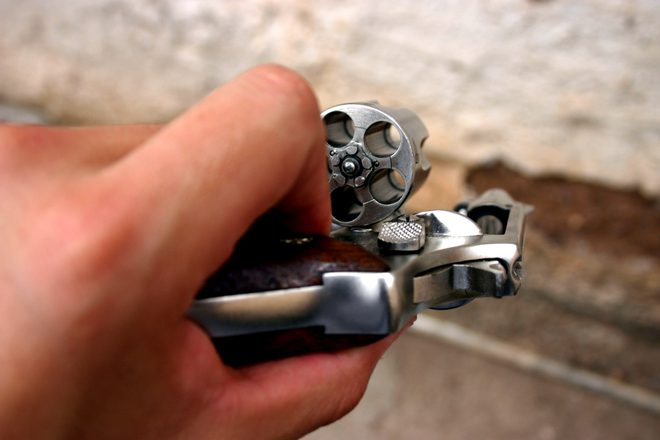
A common new-owner mistake on how to prolong your guns life is over-oiling. A firearm needs lubrication at specific friction points (slide rails, bolt carrier surfaces, hammer pivots, internal cam surfaces) and a thin protective film on exposed metal. Excess oil drips onto ammunition, attracts grit, and gums up moving parts.
The right approach: a few drops at the friction points specified in the owner’s manual, a thin wipe of oil on the exterior with a clean rag, and zero excess. Modern synthetic gun oils (CLP-type products combining cleaner, lubricant, and protectant) are excellent for general use; pure lubricants like Lucas Gun Oil or FrogLube work well for the lubrication step specifically.
How to Prolong Your Guns Life Through Regular Use
Counterintuitively, firearms that are used regularly often outlast firearms that are stored untouched for years. Regular cycling of action surfaces keeps lubricant evenly distributed, prevents corrosion in the bore from condensation buildup, and surfaces any developing problems while they are still small and fixable. The gun owner who fires fifty rounds every month and cleans afterward is doing more for the firearm’s longevity than the owner who locks it in a safe and forgets it.
This is also why “comfort with the firearm” maps almost perfectly onto “how to prolong your guns life.” A firearm you actually use regularly gets cleaned regularly, gets inspected regularly, and gets fixed when something starts to go wrong. A firearm that lives in a safe gets discovered to have problems only when it fails to fire in the moment of need.
Component-Specific Maintenance Tips
Different firearm types have different maintenance priorities:
- Revolvers tend to be the easiest firearms to maintain because they have fewer component parts. Pay particular attention to the cylinder face, forcing cone, and the gap between cylinder and barrel
- Semi-automatic pistols need attention to the slide rails (the friction surfaces that take the most wear) and the recoil spring assembly, which loses tension over thousands of cycles and benefits from periodic replacement
- Rifles need bore care first — proper cleaning rod technique, the right solvent, and avoiding muzzle wear during cleaning. Trigger group lubrication is also important for predictable trigger break
- Shotguns need consistent attention to the gas system (in semi-autos) or pump action (in pump-actions), plus careful inspection of the barrel for ring damage from any obstruction-related event
What Damages Firearms Faster Than Most Owners Realize
Several common mistakes shorten firearm life dramatically:
- Storing a firearm in a soft case for extended periods (the foam absorbs and holds moisture against the metal)
- Wiping down a firearm with bare hands after cleaning (skin oils contain salts that promote corrosion)
- Using the wrong cleaning rod — a metal rod from the muzzle end damages the crown over hundreds of strokes
- Not removing magazines from extended storage (springs lose tension faster under constant load than under cyclic load)
- Letting fouling sit between range sessions — even a few weeks of accumulated copper fouling hardens significantly
How to Prolong Your Guns Life Over Decades
Generally, firearms outlast their owners — but only with proper maintenance. Knowing how to prolong your guns life is not complicated; it is consistency. Clean after every use, lubricate appropriately, store in a controlled environment, take it out for occasional cycling even when it sits unused, and address any developing issue while it is small. A firearm that gets that level of attention will function reliably for the next generation of owners.
For more on responsible firearm ownership and storage, see our guides on how to store guns safely at home and dangerous mistakes new gun owners make.