







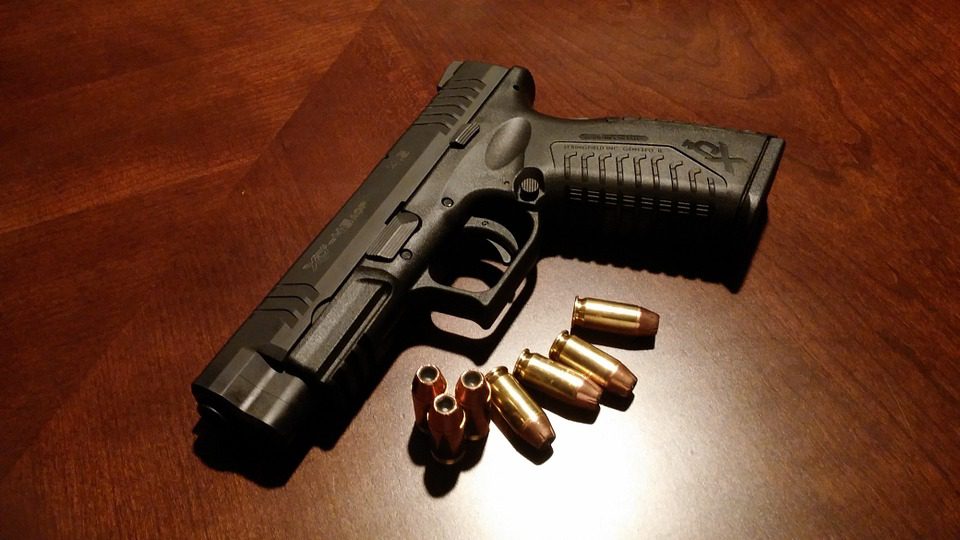
The Basics of ATF and Gun Tracing
Understanding the basics of ATF and gun tracing matters for every responsible gun owner. The Bureau of Alcohol, Tobacco, Firearms and Explosives is the federal agency that regulates the firearms industry, enforces federal firearm laws, and traces firearms recovered by law enforcement. For most gun owners, the agency is invisible until something goes wrong — at which point understanding how the ATF actually operates and how gun tracing works can make the difference between a routine inquiry and a serious legal problem.
This guide covers the basics of ATF and gun tracing in plain English: what the agency does, how the trace process works in practice, what records the ATF can access (and what it cannot), and what every responsible gun owner should know about how their firearms might one day come up in an investigation.
What the ATF Does: The Basics of ATF and Gun Tracing
The Bureau of Alcohol, Tobacco, Firearms and Explosives is a federal law enforcement agency under the U.S. Department of Justice. It regulates the manufacture, importation, and distribution of firearms, ammunition, and explosives, and it enforces federal laws against the illegal trafficking of those items.
The ATF’s primary firearm-related responsibilities include:
- Licensing and oversight of Federal Firearms Licensees (FFLs) — the dealers, manufacturers, and importers who handle the federal-level firearm commerce
- Operating the National Instant Criminal Background Check System (NICS) for licensed dealer sales
- Investigating violations of federal firearm laws, including straw purchases, illegal trafficking, and prohibited-person possession
- Tracing firearms recovered at crime scenes by federal, state, and local law enforcement
- Regulating items covered by the National Firearms Act (machine guns, suppressors, short-barreled rifles, short-barreled shotguns, and “any other weapons”)
- Coordinating with international partners on cross-border firearm trafficking
How Gun Tracing Actually Works
When a firearm is recovered by law enforcement — at a crime scene, during an arrest, in an accident investigation, or anywhere else — the agency that recovered it can submit a trace request to the ATF’s National Tracing Center in Martinsburg, West Virginia. The trace request includes the firearm’s make, model, serial number, and any other identifying information. The National Tracing Center then works backward through the firearm’s chain of commerce to identify the original retail purchaser.
The trace process moves through these steps:
- Manufacturer or importer — every firearm legally manufactured for or imported into U.S. commerce is recorded by serial number with the manufacturer or importer
- Wholesale distributor — the manufacturer’s records show which distributor received the firearm
- Retail dealer (FFL) — the distributor’s records show which dealer received the firearm
- Original retail purchaser — the dealer’s ATF Form 4473 records show who bought the firearm at retail
The trace ends with the original retail purchaser. If that person sold or transferred the firearm in a private-party transaction afterward, the ATF will typically contact the original purchaser as part of the investigation to ask what happened to the firearm.
The Basics of ATF and Gun Tracing: What the ATF Can and Cannot Access
This is the most misunderstood part of the basics of ATF and gun tracing. Federal law explicitly prohibits the ATF from maintaining a centralized firearm registry. There is no national database of who currently owns which firearm. The ATF cannot type a serial number into a system and immediately learn the current owner.
What the ATF can access:
- Manufacturer and importer records (kept by manufacturers, accessed via legal process)
- Wholesale distributor records (kept by distributors)
- FFL dealer records — Form 4473s for the past 20 years for sales by active FFLs, and indefinitely for FFLs who have gone out of business (those records are stored at the ATF’s Out-of-Business Records Center)
- Records voluntarily provided by other law enforcement agencies during a specific investigation
- Records produced under warrant or subpoena from any private business or individual
What the ATF cannot access:
- A real-time list of who currently owns any specific firearm
- Records of private-party transfers between non-FFL individuals, unless those transfers were voluntarily documented and the documentation is later produced
- State-level records that the state government has not shared
- Records protected by federal laws like the Privacy Act except under specific legal process
We handle the legal part for you.
You know the rules now — here’s the easy part. A real background check on the buyer, a signed bill of sale, and permanent records, done from your phone in about 10 minutes. Flat $50.
The Comprehensive Crime Gun Tracing Initiative
Within the basics of ATF and gun tracing, the Comprehensive Crime Gun Tracing Initiative is the ATF’s framework for systematic tracing of crime-recovered firearms. Combined with the Bureau’s National Integrated Ballistic Identification Network (NIBIN), which compares spent shell casings recovered at multiple crime scenes, the initiative supports local and state criminal investigators in connecting firearms used across multiple crimes to their original purchasers.
The National Tracing Center receives several hundred thousand trace requests each year, including international inquiries from foreign law enforcement agencies investigating firearms that originated in the U.S. and ended up in another country.
What Happens When a Firearm Traces to You
Anyone learning the basics of ATF and gun tracing will eventually ask the same question: what happens if a firearm I bought traces back to me? If you are the original retail purchaser of a firearm that surfaces in a tracing inquiry, you will likely receive a contact from the ATF or local law enforcement asking you what happened to the firearm. The conversation can go one of two ways.
If you can produce documentation showing when and to whom you transferred the firearm — a signed bill of sale identifying the buyer, the firearm, and the date — the conversation is short and friendly. The investigator updates their records, follows the trace forward to the next person in the chain, and you are not implicated.
If you cannot produce documentation, the conversation becomes longer and more involved. Investigators may ask detailed questions about your memory of the sale, may want to interview people who knew you at the time, and may continue the inquiry indefinitely while they try to establish what happened. Even with no wrongdoing on your part, the absence of documentation creates significant inconvenience and possible legal exposure.
Understanding the basics of ATF and gun tracing therefore points to one practical conclusion. This is the practical reason every private-party seller should keep complete documentation of every transfer — not because the law requires it in most states, but because the basics of ATF and gun tracing make documentation the cleanest path through any future inquiry.
The Youth Crime Gun Interdiction Initiative and Other Historical Programs
The Youth Crime Gun Interdiction Initiative (YCGII) was an earlier ATF program (enacted in 1996) that focused on tracing firearms recovered from crimes involving juvenile offenders. The program expanded from 17 participating cities in 1997 to 50 cities by 2000, generating data about which firearms appeared most often in juvenile crime and how those firearms moved from licensed retail purchase to criminal use. While YCGII as a named program has evolved, the underlying tracing methodology remains central to current ATF practice.
Practical Implications of the Basics of ATF and Gun Tracing for Gun Owners
For ordinary gun owners, the basics of ATF and gun tracing translate into a few clear practical points:
- Every firearm you have ever purchased from a licensed dealer is, in a sense, “registered” to you on the ATF Form 4473 the dealer filed. The agency can trace it to you decades later if it surfaces in an investigation
- If you have transferred that firearm in a private-party sale, you should retain documentation indefinitely — a bill of sale identifying the buyer protects you from any future tracing inquiry
- If you ever lose a firearm or have one stolen, file a police report immediately — the report establishes that the firearm left your possession involuntarily, which is critical context if it later surfaces in a crime
- For NFA-regulated items, federal records are more comprehensive — the ATF maintains the National Firearms Registration and Transfer Record specifically for these items
For more on the practical mechanics of safe and legal firearm transactions, see our guides on 3 tips to protect yourself when selling a gun and what happens when a gun registered to me surfaces years later.

A handshake isn’t a transfer.
Make it legal.
In your state, the seller carries the federal liability. One undocumented sale to the wrong person is the difference between a clean record and 18 U.S.C. § 922(d). For \$50, you get proof you did it right.
- Real background check on the buyerMulti-source federal, state & county criminal + sex-offender records.
- Official bill of sale, signed by both partiesElectronic. Documented to hold up in court.
- Lifetime digital records in your Gun VaultPull them 5, 10, 20 years from now.
- Done from your phone in ~10 minutesNo gun-shop visit required in your state.
I almost burned half a Saturday driving to a gun shop. Instead I did it from my phone for fifty bucks.— Brandon T., verified seller
Secure checkout · No FFL markup · No range fees · Flat $50 every time.