







Gun Cleaning Safety: Dos and Don’ts
Practicing proper gun cleaning safety is the difference between routine maintenance and a tragic accident. There is a real difference between owning a gun, firing a gun, and cleaning a gun. Owning a firearm does not mean you automatically know how to clean it properly, and many of the most preventable firearm accidents happen during cleaning, not during shooting. Before you ever touch a cleaning rod or solvent bottle, the first priority is keeping yourself and everyone around you safe.
This guide covers gun cleaning safety from start to finish — what to do, what not to do, and the specific routines that prevent both accidents and damage to the firearm itself. Done properly, cleaning is one of the most reliable habits a responsible gun owner can build.
Gun Cleaning Safety Starts Before You Open a Solvent Bottle
The single most important rule of gun cleaning safety is verifying that the firearm is unloaded before any cleaning work begins. Every year, deaths and serious injuries occur because someone “knew” their gun was unloaded — and was wrong. The verification routine is the same every time:
- Drop the magazine completely out of the firearm
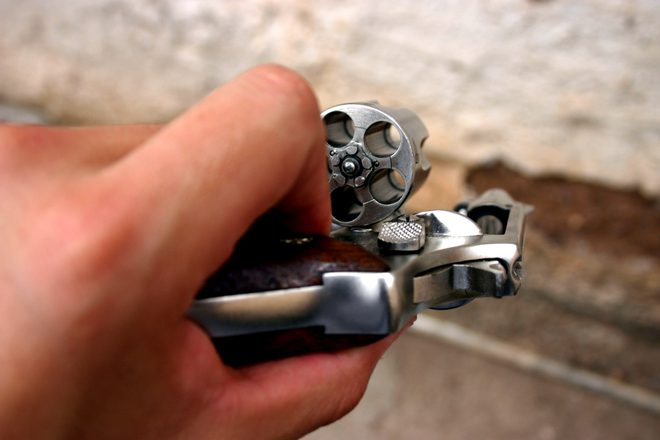
- Lock the slide back (semi-auto) or open the cylinder (revolver) or open the action (rifle/shotgun)
- Visually inspect the chamber AND the magazine well
- Insert a finger into the chamber to physically confirm it is empty
- Move all ammunition out of the cleaning area completely — different room is best, different table is the minimum
Only after every step has been completed is the firearm considered safe for cleaning. Even then, gun cleaning safety means continuing to handle the firearm as if it were loaded — point the muzzle in a safe direction, keep the trigger finger off the trigger, and never lose track of where the muzzle is pointed.
Gun Cleaning Safety: The Do’s
These are the affirmative practices that produce a clean, well-maintained firearm without accident or damage:
- Read your firearm’s specific cleaning manual. Every manufacturer publishes detailed cleaning instructions for their products, including which parts need oil and which must remain oil-free. Glock, Smith & Wesson, Sig Sauer, and Ruger all maintain freely-downloadable manuals
- Use cotton swabs or applicator tips to apply oil. A cotton swab gives you precise control over how much oil reaches each contact point — vastly better than dripping from a bottle
- Lubricate all parts with steel-on-steel contact. The manual identifies these specifically. Slide rails, bolt carrier surfaces, hammer pivots, internal cam surfaces — these are the friction points that need a thin film of oil to function properly
- Keep the feed ramp free of oil. One of the most common cleaning mistakes is over-lubricating the feed ramp, which can cause cartridges to mis-feed or even cause oil to seep into ammunition primers
- Use a dry brush of the correct caliber. The brush should match the bore exactly — too small misses fouling, too big damages rifling. Run it through with smooth strokes, breech to muzzle when possible
- Brush the magazine as well as the firearm. The magazine accumulates carbon, lint, and dust that can cause feed failures. A dry nylon brush handles most magazine cleaning
- Wipe excess oil off after lubrication. Excess oil reduces your grip on the firearm, attracts dust, can drip onto ammunition, and makes the firearm harder to handle accurately. A thin film is the goal — not a coating
- Clean in a well-ventilated area. Many gun solvents contain volatile organic compounds. Open a window, run a fan, or work outdoors when possible
Gun Cleaning Safety: The Don’ts
These are the practices that turn routine cleaning into either an accident or unnecessary wear on the firearm:
- Never clean a loaded gun. Verify the chamber is empty, the magazine is removed, and any rounds in tube or rotary magazines are accounted for. If at any point during cleaning you cannot remember whether you verified, stop and verify again
- Do not keep ammunition in the cleaning area. Move the ammo box to another room. Solvent on a primer is unpredictable and dangerous, and a stray live round in a cleaning kit is the kind of mistake that produces tragic outcomes years later
- Do not over-oil the firearm. Over-lubrication is the most common cleaning mistake new owners make. Excess oil attracts grit, gums up moving parts, and can interfere with reliable function. A thin film at the friction points is all that is needed
- Do not skip the magazine. A clean firearm with a fouled magazine will still misfeed. Brush the magazine, wipe the spring with a dry cloth, and inspect for cracks or wear
- Do not use the wrong solvent for the firearm type. Modern smokeless powder fouling and traditional black powder fouling require different solvents. Black-powder firearms in particular need water-based cleaning agents — using modern bore solvent on a black-powder firearm can cause serious corrosion
- Do not clean from the muzzle when avoidable. Cleaning from the muzzle wears the crown — the most accuracy-critical part of the barrel. Clean from breech to muzzle whenever the firearm’s design allows it
- Do not point the muzzle at yourself or anyone else, even with the firearm “verified empty.” Treat every firearm as if it is loaded, every time, no exceptions
We handle the legal part for you.
You know the rules now — here’s the easy part. A real background check on the buyer, a signed bill of sale, and permanent records, done from your phone in about 10 minutes. Flat $50.
Gun Cleaning Safety Equipment Worth Owning
A complete gun cleaning safety kit costs less than $50 and lasts indefinitely:
- Bore brushes in your firearm’s caliber(s)
- Cleaning rods (one-piece carbon fiber or coated metal — never bare metal)
- Patches in the right size for your bore
- A quality bore solvent (Hoppe’s No. 9 is the standard; CLP combination products work for most needs)
- Pure firearm lubricant for friction points (Lucas Gun Oil, FrogLube, or similar)
- Cotton swabs and a soft brush for detail work
- Microfiber cloths for the final wipedown
- Eye protection — solvents can splash, especially when scrubbing
- Disposable nitrile gloves to keep skin oils off the firearm and solvents off your hands
The Bureau of Alcohol, Tobacco, Firearms and Explosives publishes general guidance on responsible firearm ownership that includes maintenance principles, and most major firearm manufacturers maintain freely-available technical manuals specific to their products.
How Often Should You Clean for Gun Cleaning Safety?
The right cleaning interval depends on use:
- After every range trip. Even one hundred rounds produces enough fouling to warrant cleaning, especially in modern semi-automatics
- Before storing a firearm long-term. Cleaning and oiling before storage prevents corrosion during the storage period
- Periodically while in storage. Pull the firearm out every six months, inspect it, and re-oil the friction points even if it has not been fired
- Whenever the firearm has been exposed to moisture. Hunting in rain, snow, or humid conditions, or carrying in a humid environment, requires cleaning before storage
Gun Cleaning Safety as Part of Responsible Ownership
Proper gun cleaning safety is one part of a broader pattern of responsible ownership that also includes secure storage, regular training, complete legal compliance, and meticulous documentation of every transaction. A firearm that is well-maintained and consistently handled with safety discipline outlasts its owner; a neglected or carelessly-handled firearm is a problem waiting to happen.
For more on the full picture of responsible firearm ownership, see our guides on how to store guns safely at home, how to prolong your gun’s life, and dangerous mistakes new gun owners make.

A handshake isn’t a transfer.
Make it legal.
In your state, the seller carries the federal liability. One undocumented sale to the wrong person is the difference between a clean record and 18 U.S.C. § 922(d). For \$50, you get proof you did it right.
- Real background check on the buyerMulti-source federal, state & county criminal + sex-offender records.
- Official bill of sale, signed by both partiesElectronic. Documented to hold up in court.
- Lifetime digital records in your Gun VaultPull them 5, 10, 20 years from now.
- Done from your phone in ~10 minutesNo gun-shop visit required in your state.
Fast, clean, and I have the paperwork forever. Exactly what I wanted and cheaper than my local FFL.— Marcus R., verified seller
Secure checkout · No FFL markup · No range fees · Flat $50 every time.